
Word-Of-the-Week #1085: Vacation

June 5, 2025 by · Comments Off on Word-Of-the-Week #1085: Vacation 

Vacation time devoted to pleasure, rest, or relaxation. 

Memorial Day is the unofficial start of summer. Have you made any plans to take a vacation? Would you like to have less stress and feel better?

This week features “Why taking a vacation is good for you. Data shows that getting away can boost your health, happiness and love life by Beth Howard for The Washington Post.

“Vacations can sometimes seem like more trouble than they’re worth when you come home to a full inbox and a fire hose of problems requiring immediate attention.

But people who skip vacations may be missing out on important health benefits, according to a growing body of research linking regular getaways to everything from better heart health to a lower risk of metabolic disorders and even a longer life. A 2025 review of 32 previous studies in the Journal of Applied Psychology also found that the immediate effects on well-being are more profound and long-lasting than previously thought.

Among the findings in one longitudinal study that followed more than 12,000 men at high risk of coronary heart disease: Those who took a vacation every year over a nine-year period reduced their overall risk of death by about 20 percent and their risk of death from heart disease by as much as 30 percent, according to the study’s main author, Brooks B. Gump, a professor of public health at Syracuse University, who studies the health effects of taking vacations. 

In other research, Gump and his colleagues found a similar connection between the frequency of vacations and metabolic syndrome, a cluster of conditions — high blood pressure, high blood sugar, a large waist circumference, low HDL (“good”) cholesterol and high triglycerides — that raise the risk of heart attacks, stroke and diabetes. Each additional vacation the participants took lowered the risk of metabolic syndrome by nearly 25 percent. 

Other researchers have identified links between taking vacations and fewer stress-related physical complaints, lower levels of exhaustion and depression, and greater happiness and well-being. 

Even short breaks have health payoffs. When middle managers were assigned to either take a four-day vacation or take time off at home, those who left town reported greater positive effects on stress and well-being, according to researchers at Austria’s University for Health Sciences, Medical Informatics and Technology. And unlike a tan line, the vacation “afterglow” continued for as long as 45 days post-vacation. 

  • Bedroom benefits 

Not surprisingly, vacations may also help pay down a sleep debt, long associated with a greater risk of obesity and diabetes, a 2022 study in Nature Human Behavior suggests. Researchers relied on data collected from Sony SmartBands worn by some 20,000 people, covering 218,000 nights of travel, some of which may have been for business. Among the travelers, people who were sleep-deprived — sleeping less than 7.5 hours a night — clocked more hours of sleep when they were away from home. (People who typically got more than 7.5 hours nightly tended to sleep less well on the road.) 

“My guess is that if someone doesn’t sleep a lot at home, then sleeping someplace new might be an opportunity to catch up,” said study co-author Sune Lehmann, professor of social data science at the University of Copenhagen. People who usually sleep well may miss the routines that help them doze off at home, he said. 

A 2024 study by American and Dutch researchers found that couples who take vacations that involve novel, interesting or challenging experiences keep the romantic spark in their relationships, resulting in more physical intimacy afterward. 

“Passion can fade even in good relationships,” said study author John K. Coffey, associate professor of psychology at Arizona State University. “But the more new experiences couples had during their vacation, the greater their passion and physical intimacy were after the vacation.” 

The key, he said, is to engage in activities that satisfy the innate need to learn and grow, a concept known as self-expansion. You don’t have to “go big” with an expensive adventure, he said. Exploring a new city, visiting a museum or trying different cuisines can make a difference. Even bad experiences like getting lost or missing a connection can bring you closer. Coffey acknowledged that other factors could account for the intimacy boost. Having the leisure and wealth to travel in the first place might reduce a couple’s stress, leading to a better sex life.

More than the immediate rewards, “vacations provide a buffer against chronic stress and inflammation — both of which wreak havoc on the body,” said Gump. Vacationing turns off the spigot of stress hormones like cortisol and allows the body to reset, restoring equilibrium, he said.

With a total break from work, “you regain lost psychological resources like energy and positive mood and emotions,” said Ryan Grant, a doctoral student at the University of Georgia and lead author of the vacation aftereffects review study. Vacations that involve physical activity and socializing with family or friends can be particularly good, he said, since both have been shown to improve health outcomes. 

  • Making the good times last 

To ensure your vacation packs the maximum wellness punch, experts provided these tips: 

  • Minimize engagement with work. “During the vacation itself, it is key that [you] mentally disconnect from work as much as possible,” Grant said. Limit the time you spend taking work calls or answering email to once a day or less. This season of the TV series “The White Lotus” provides a perfect example of how not disconnecting can be very bad for you.
  • Be active. Grant’s meta-analysis found that engaging in physical activity during vacation was the top predictor of better health outcomes later. (Social activity was the second most important factor.)
  • If it’s hard to get away for a single long vacation, schedule several short ones. Wellness benefits accrue regardless of a vacation’s length, research has shown (though you may get a bigger boost the longer you are away). Some data suggests these benefits are less seen among people with high-stress jobs, however.
  • Savor the memories of your vacation to extend the afterglow. Jessica de Bloom, a professor of psychology and public health at the University of Groningen in the Netherlands, who has led several studies investigating the effects of vacations on well-being, says this can be very helpful to health. Picture the whitecaps or perfect waves from when you were taking surfing lessons in Puerto Rico. Or try to duplicate the indescribable mole you tasted in Oaxaca, Mexico, and feel the pleasure and delight rush back, or remember the warm wind from an hour-long bike ride you took. “Keeping a vacation diary or talking about the top three experiences of the vacation may help people to attend to and appreciate the positive vacation experience more,” de Bloom said.

Regardless of the setting or circumstances, Grant said, it’s the breaking up of intense periods of work with long periods of rest and recovery that makes the difference to health and well-being. “We need vacations to take care of ourselves,” he said.

This week’s focus is about taking a vacation. When was the last time you mentally disconnected from work? Have you ever taken a vacation that involved novel, interesting or challenging experiences? Would you like to have greater intimacy and satisfaction in your personal relationships? 

I LOVE feedback! Join my Facebook community on my FUN-damentals Fan Page.


Word-Of-the-Week #1038: Vacation

June 27, 2024 by · Comments Off on Word-Of-the-Week #1038: Vacation 

Vacation time devoted to pleasure, rest, or relaxation. 

How much vacation have you taken this year? How much time do you devote each week for pleasure, rest or relaxation? Can you turn off all of your devices and just have some quiet time?

This week features “A vacation may be what the doctor orderedby Sarah Paper, LP, PsyD

More than 765 million vacation days have gone unused by Americans.

People in the U.S. are working more hours and taking less time off, which can add stress as well as mental and physical health challenges. When your job is overwhelming and your work-life balance feels out of whack, it’s time to ask yourself, “Should I go on vacation?” While I recognize that not everyone can afford to take a trip or the time away, if you can, you may find mind and body benefits. 

7 health benefits of taking a vacation 

Studies have shown that taking time away from the job and everyday stress can have physical and mental health benefits. Vacations are linked to:

  • Lower stress
  • Less risk of heart disease
  • Better outlook on life
  • More motivation to achieve goals

If you still need a little convincing, here is a list of some additional benefits of taking time away from work.

  1. Improved physical health: Stress can contribute to heart disease and high blood pressure. For both men and women, studies show that taking a vacation every two years compared to every six will lessen the risk of coronary heart disease or heart attacks.
  1. Improved mental health: The University of Pittsburgh’s Mind-Body Center found vacations increase pleasant emotions while reducing depression. Vacations also provide a greater opportunity to experience moments of awe, which have also been researched and found to generate a boost in mood.
  1. Greater well-being: One study found that three days after vacation, people’s physical complaints, quality of sleep and mood had improved compared to before vacation. These gains were still present five weeks later, especially in those who had more personal time and overall satisfaction during their vacation.
  1. Increased mental motivation: Studies have found that chronic stress can make it difficult to achieve certain tasks and cause memory problems. Taking time off can be like getting a tune-up for the brain, improving your mental health and cognition.
  1. Improved family relationships: One study found that couples who participated in interesting, challenging, and exciting activities on vacation experienced greater relationship intimacy and satisfaction even after returning home and resuming typical life routines. Vacations also can be a time for siblings to connect in ways they are not likely to do in day-to-day life.
  1. Less burnout: Employees who take regular time to relax are less likely to experience burnout, making them more creative and productive than their overworked, under-rested counterparts.
  1. Boosted happiness: Research shows even the process of planning a vacation can boost your happiness. Some people experience an elevated mood up to eight weeks before the trip.

The bottom line

Take a vacation if you can, even if it’s a staycation. Time away from the stresses of work and daily life can improve your health, relationships, job performance and perspective. A well-timed trip can help you feel refreshed and more prepared to handle whatever comes when you return.”

This week’s focus is about giving yourself permission to take a vacation. Do you ever feel burned out? When was the last time you experienced moments of awe? Would you like to have greater intimacy and satisfaction in your personal relationships? 

I LOVE feedback! Join my Facebook community on my FUN-damentals Fan Page.


WOW Word-Of-the-Week #469: Vacation

August 1, 2013 by · Comments Off on WOW Word-Of-the-Week #469: Vacation 

Vacation time devoted to pleasure, rest, or relaxation.

How much vacation have you taken this year? How much time do you devote each week for pleasure, rest or relaxation? Can you turn off all of your devices and just have some quiet time?

This week’s WOW felt like a good follow up to last weeks. The Tuesday UT Health section featured Scott LaFee’s article titled, “Taking a mental vacation.” He writes, “Too many problems, too little time?

Life’s myriad demands and stresses can seem overwhelming. Some folks, nonetheless, earnestly grapple with them, determined to address and fix them as soon as possible. The rest of us, well, we’re maybe not so motivated. It’s not like our problems won’t be there tomorrow.

Turns out a little procrastination can aid problem-solving. Canadian researchers report that people who actively distract themselves, who occasionally take their minds off their pressing problems are more adept at eventually resolving them.
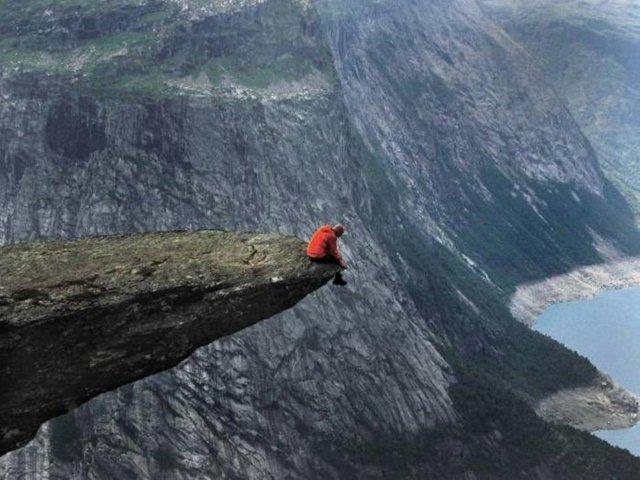
Slide7

“Avoidance in terms of taking a mental break is so crucial to managing multiple responsibilities as long as it doesn’t cross over into wishful thinking,” said study author Bonnie Hayden Cheng at the University of Toronto. “Our resources are finite and need to be replenished, so it’s important to not only physically recover, but mentally recover as well.”

Mind you, the distraction part is temporary. Ultimately, you have to deal with your problems, said the scientists. The third option of just wishing them away almost never works, though everyone wishes it did.

This week’s focus is on taking a “mental vacation.” What is the best day and time for you to rest and relax? Have you ever gotten stressed trying to find something? Have you ever let it go only to remember later where it was? How would it feel to temporarily take your mind off a pressing problem?