

Word-Of-the-Week #1116: Authentic
January 29, 2026 by Susan Clarke · Comments Off on Word-Of-the-Week #1116: Authentic
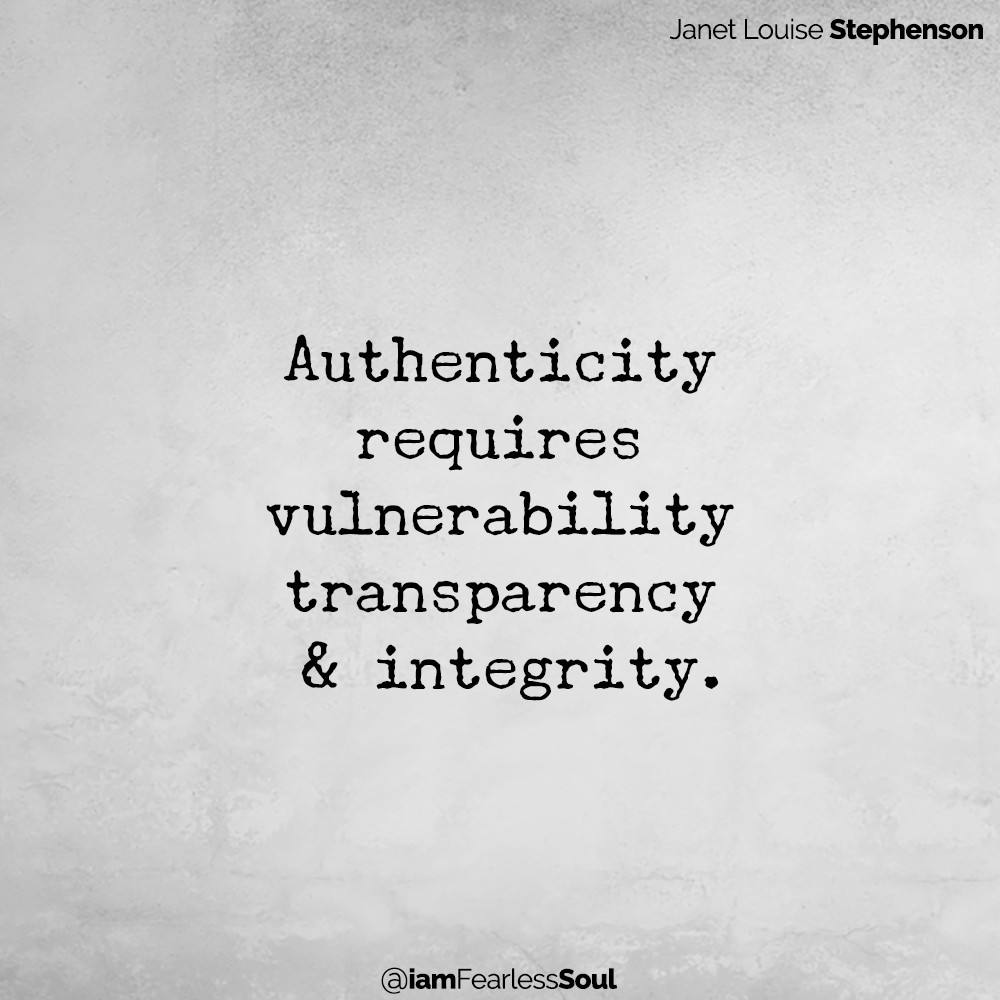
Authentic – being genuinely and truly who you are.
Do you know what you truly value and want in your life? Do you feel a need to constantly please others?
This week features, “5 Simple Ways To Make Your Life Feel Better When Literally Nothing Feels Right,” by Sylvia Lafair at YourTango.com. Given the state of affairs of what’s going on in the world it felt like a good one to share.
Have you ever called someone a phony, or even felt like one? Most of us have, because consciously or unconsciously, we all tend to respect the value of being authentic. Knowing how to be yourself and model authenticity is like any high-level skill; it is a disciplined art form mastered through patience, learning, and practice, practice, practice. Nurturing authenticity is also the best way to make your life feel better when nothing feels right.
The definition of being authentic is being “true to one’s own personality, spirit, or character.” It is a synonym for genuine, which is defined as “Truly what something is said to be.” While being your authentic self is about being truthful, that doesn’t necessarily mean spilling your guts. This isn’t about blurting out what you are thinking at any given moment.
That type of behavior should have stopped when you were four years old, and you told Uncle Arthur how funny he looked without hair on his head. Openness and honesty are important qualities of a person, but being authentic is not about giving your opinion “in the raw”, nor telling someone your opinion (even if you are right) unless they ask first.
Becoming self-aware is a long and deep process. It means looking at the beliefs and values that were given to you as a child from your family and your culture, and deciding what is outdated. It takes courage and determination to go against the tide, speak up, and stay steady when you are told to behave, be good, or be quiet.
Here are 5 simple ways to make your life feel better when nothing feels right:
- Know what you value and want
Take the time to go off alone and sit with your thoughts. Look at what brings you joy and what you are doing merely to please others. It is fine to please others, so long as it is not at the expense of your own moral code of ethics.
One study tracked people’s daily experiences and found something interesting about values: Those who actually fulfilled their self-direction values each day reported more positivity the next day, showing that actually living according to your values matters more than just knowing what they are.
- Keep an open mind
Be able to ask questions rather than just give opinions. Read, research, and explore opposite ideas before you become too attached to your own perspective.
People with greater intellectual humility tend to be more willing to learn about differing perspectives because they recognize their own limitations, researchers have concluded. They’re also more likely to care about the wellness of others since they don’t walk around assuming they already have all the answers.
- Listen with empathy for different experiences
Remember that all life is interactive. When you see the way to hold out your hand to others, no matter how different they are from you, there is always something helpful to learn.
When strangers had conversations with each other, something simple made a big difference in how connected they felt. According to one study, listening behaviors like asking thoughtful follow-up questions created faster response times and stronger social connections because they showed genuine interest in understanding the other person.
- Stop trying to live up to standards set by others
Make sure you are not copying the mannerisms and words of someone else to keep you looking good or to help you fit in. Find your own way of expressing yourself. Dress to make yourself happy and go on vacations that are not “the right place to go” unless you really want to go there. The ‘it’ spot is not right for everyone!
One study looked at over 36,000 participants and found a clear link between authenticity and day-to-day health. People who act according to their own values instead of constantly trying to please others or meet external expectations experience a greater sense of life balance and happiness.
- Embrace discomfort
You don’t have to indulge in talking about yourself; however, admit if something makes you feel awkward or scared. You will be loved for your candor.
There’s something called the disclosure reciprocity effect that happens when you share vulnerable emotions with someone. They tend to open up more to you in return, and studies have shown that people who conceal difficult feelings experience higher depression and anxiety, while those who share vulnerabilities build deeper intimacy in their relationships.
There is a book from forever ago called, When I Am Old I Will Wear Purple, and the best sentence for me is, “I will sit on the sidewalk eating watermelon and spit the seeds in the street.”
That may not be your version of authenticity. Think about it. What will you do to make your life feel better? What will you do to break out of the mold around you and be free to be who you really want to be? Ah, authenticity. It feels good just to think about it.
This week’s focus is on being your authentic self. Are you trying to live up to standards set by others? Do you keep an open mind and listen with empathy for different experiences? How comfortable are you in sharing your vulnerable emotions with someone?
I LOVE feedback! Join my Facebook community on my FUN-damentals Fan Page.
Word-Of-the-Week #1115: Frugal
January 22, 2026 by Susan Clarke · Comments Off on Word-Of-the-Week #1115: Frugal
Frugal – practicing economy; living without waste; thrifty.
Do you consider yourself to be frugal? Do you use coupons? Do you love a good deal?
I am re-running this WOW since I think it’s a great follow up to the last 2 on wealth and prosperity.
I have a post card on my desk that reads, “frugal is such an ugly word.” It cracks me up every time I see it. And it spurred to revisit this word when one of my acquaintances laughed out loud when I said, “I am working on not being so frugal.” She clearly has no idea how frugal I am!
For many years I took my recycling to the center to get my deposit money back. Do you know how many cans and bottles it takes to make $8?
I subscribe to “The Friends & Family Plan” when it comes to home repairs. Many providers offer discounts when you give them referrals and/or pay in cash.
All the people that truly know me well know I love a “bargain.” I don’t like paying full retail! When I was remodeling our home I told the salesperson I was “Looking for top of the line economy.” That usually evoked a smile or a laugh. I still do it today!
And when we took our grandkids shopping for their birthday presents they knew that if they bought items on sale they got more. For Christmas we put money in their 529 college fund. They got enough “stuff” and I feel it’s our responsibility to teach them how to save and spend.
For every international flight we’ve used points and flew in either first or business class. Frugal doesn’t mean you can’t enjoy being comfortable! It all comes down on ROI – Return on Investment. It’s very personal. What is most important to you?

Don’t get me wrong as I love spending money. I just hate wasting it more! I’ve also learned the hard way that buying the best quality products cost more up front but are cheaper in the long run. Perfect examples of that are luggage, blenders, and tools. Or anything you use a lot.
And this excerpt from Zina Kumok on “The Cult of Frugality – Why Being Frugal Doesn’t Work” speaks volumes.
“Every day, people choose not to spend money on something that could change their lives – like a Master’s degree, investment opportunities, or a new business idea. They get so wrapped up in daily financial decisions like whether to buy brand-mane or generic salsa that they forget about the big picture.
My husband used to fall into this extreme frugality trap. For years he avoided buying fresh vegetables, preferring to buy cheaper ingredients to make pasta and sandwiches. After developing a daily exercise habit, he slowly loosened the reins. Now, we eat fresh veggies with every meal and have a salad at least once a day. Our grocery bill is slightly more than it used to be, be we consider it an investment in our health. Turns out this thinking makes good financial sense as well. A report published by the National Bureau of Economic Research found that, “People in bad health work less, earn less, face higher medical expenses, die earlier, and accumulate much less wealth compared to those in good health.”
If you’re avoiding exercise because a $40 gym membership is expensive, you’re actually costing yourself hundreds of thousands of dollars in the long run. Skipping spinach because it doesn’t last as long as a bag of rice, is actually the less frugal decision.”
Being frugal doesn’t mean you can’t have some periodic splurges and luxuries. It’s WHY you can! As my dear sweet friend Sandra says, “The people I know that have a WHOLE LOT OF MONEY have a healthy respect for it.”
This week think about what frugal means to you. How do you spend your money? Are you investing wisely when it comes to your health? Do you talk to your staff, your kids, and/or your grandkids about spending and saving?
I LOVE feedback! Join my Facebook community on my FUN-damentals Fan Page.
Word-Of-the-Week #1114: Prosperity
January 15, 2026 by Susan Clarke · Comments Off on Word-Of-the-Week #1114: Prosperity
Prosperity – an economic state of growth with rising profits; having good fortune.
Do you eat out in restaurants more than you do at home? The last time you got a raise did you upgrade your apartment, car or wardrobe?
This week features the last half of Jordan Cooper’s article, “Mark Cuban says if you want to build real wealth, eliminate these 7 expenses immediately. Here’s to having a truly Happy & Prosperous New Year!
- Most people sabotage their own wealth-building by spending money on things that provide zero return.
“Mark Cuban didn’t build billions by spending carelessly. One of his most consistent messages over the years has been simple: most people sabotage their own wealth-building by spending money on things that provide zero return.
To Recap:
1) Credit card interest
2) New cars and auto loans
3) Subscription services you barely use
4) Luxury items for status signaling
5) Eating out constantly
Cuban has mentioned that eating out regularly is a massive drain on potential wealth. The markup on restaurant food combined with frequency makes this one of the biggest budget killers.
He’s not saying never eat out. He’s saying that making restaurant meals your default instead of cooking is expensive and adds up to serious money over time.
A family spending $600 monthly eating out could save $7,000 annually by cooking at home more. Invested properly, that compounds into significant wealth over decades.
I’ve tracked my own restaurant spending and been shocked by the totals. What feels like casual spending becomes thousands annually that could be working for you instead.
6) Extended warranties and insurance add-ons
Cuban has talked about how extended warranties and additional insurance coverage are usually bad deals designed to profit companies, not protect consumers.
Most electronics don’t break during warranty periods. Most additional insurance options duplicate coverage you already have or protect against unlikely events.
His advice is to self-insure for small items by saving the warranty cost instead. You’ll come out ahead over time by not buying protection you probably won’t need.
People buy these add-ons from fear, but statistically you’re better off taking the risk and keeping the money. Cuban understands that insurance companies wouldn’t offer these products if they weren’t profitable for them, not you.

7) Lifestyle inflation
This is Cuban’s biggest warning: don’t increase spending as income grows. Lifestyle inflation destroys wealth building faster than almost anything else.
You get a raise, so you upgrade your apartment or car or wardrobe. Your income grows but your savings don’t because spending grows in parallel. Cuban calls this the trap that keeps high earners broke.
His approach when his income increased was keeping his lifestyle relatively stable and banking the difference. That’s how wealth actually builds, through the gap between earning and spending.
I’ve watched this play out with friends who make good money but somehow never build savings. Every income increase gets absorbed by lifestyle upgrades, leaving them as financially vulnerable as before.
- Conclusion
Cuban’s advice isn’t complicated. Stop paying interest on depreciating assets. Stop spending to impress people. Stop letting small recurring expenses drain you. Stop inflating your lifestyle as you earn more.
These are uncomfortable truths because they require going against social norms. Everyone has car payments and credit card debt and subscriptions and lifestyle inflation. Cuban’s point is that everyone is also broke or close to it.
Real wealth building requires doing what most people won’t do. Driving older cars. Skipping status purchases. Living below your means even as your means increase. These choices feel restrictive but they’re actually liberating.
You don’t need Cuban’s income to apply his principles. You just need the discipline to eliminate expenses that destroy wealth and redirect that money toward building it instead.
The question is whether you’re willing to be uncomfortable now to be wealthy later. Most people aren’t. That’s why Cuban’s advice works for those who actually follow it.
This week’s focus is on having prosperity. If you buy extended warranties how many times have you needed them? Do you feel a need to buy things just to impress people? How would it feel to drive an older car? And how would it feel to have the discipline to eliminate expenses that destroy wealth and redirect that money toward building it instead?
I LOVE feedback! Join my Facebook community on my FUN-damentals Fan Page.
Word-Of-the-Week #1113: Wealth
January 8, 2026 by Susan Clarke · Comments Off on Word-Of-the-Week #1113: Wealth
Wealth – an abundance of valuable material possessions or resources; riches.
Have you ever wondered how wealthy people achieve all they have? Do you subscribe to monthly subscriptions that you hardly ever use? How much of your attention is focused on attaining the level of wealth you want?
This week features the first half of Jordan Cooper’s article, “Mark Cuban says if you want to build real wealth, eliminate these 7 expenses immediately. Here’s to having a truly Happy & Prosperous New Year!
- Most people sabotage their own wealth-building by spending money on things that provide zero return.
“Mark Cuban didn’t build billions by spending carelessly. One of his most consistent messages over the years has been simple: most people sabotage their own wealth-building by spending money on things that provide zero return.
1) Credit card interest
Cuban has said repeatedly that paying credit card interest is the fastest way to stay poor. If you’re carrying balances and paying 20%+ interest, you’re working backwards financially.
He’s not subtle about this. Cuban calls credit card debt a trap that makes banks rich while keeping you broke. Every dollar you pay in interest is a dollar that could be invested or saved.
His advice is simple: stop using credit cards you can’t pay off monthly. If you have balances, attacking that debt becomes your first priority before any other financial goal.
This makes people defensive because credit card debt feels normal. But Cuban’s point is that normal financial behavior keeps you average. Building wealth requires different choices.
2) New cars and auto loans
Cuban drove the same car for years even after becoming wealthy. He’s repeatedly said that buying new cars is one of the biggest wealth destroyers for regular people.
Cars depreciate the moment you drive them off the lot. Taking on auto loans means paying interest on something that’s actively losing value. It’s financial self-sabotage.
His recommendation is to buy used, pay cash when possible, and drive cars into the ground. The money saved on car payments and depreciation can be invested, where it actually grows instead of evaporating.
I’ve watched people making $50,000 a year buy $40,000 cars on loans. Cuban would call this insanity, and he’d be right. That monthly payment is stolen wealth.

3) Subscription services you barely use
Cuban talks about subscription creep constantly. That $10 here, $15 there adds up to hundreds of dollars monthly for services people barely use.
Streaming services, gym memberships, software subscriptions, meal kits, subscription boxes. Each one seems small, but together they’re a significant drain.
His advice is to audit subscriptions quarterly and ruthlessly cut anything you’re not actively using. If you haven’t been to the gym in three months, cancel it. If you’re not watching a streaming service, kill it.
When I finally audited my own subscriptions last year, I found $80 monthly going to services I’d forgotten about. That’s nearly $1,000 annually wasted on nothing.
4) Luxury items for status signaling
Cuban has talked about how destructive status spending is for wealth building. Designer clothes, luxury brands, expensive watches bought to impress others are wealth killers.
He famously wore the same shoes for years despite being a billionaire. His point was that spending money to signal status is money that could be building actual wealth instead.
The people trying to look rich are usually the furthest from it. Real wealth building requires being comfortable looking average while your money works for you invisibly.
This is probably the hardest expense to eliminate because status signaling feels good. But Cuban’s point is clear: choose between looking wealthy and becoming wealthy.”
This week’s focus is on building wealth. Are you making investments or depleting your savings potential? How long do you typically own your cars? How would it feel to have no credit card debt?
I LOVE feedback! Join my Facebook community on my FUN-damentals Fan Page.